The year 2025 marked a period of strategic growth and consolidation for World Vasectomy Day (WVD) Africa, as the organization advanced its mission to promote male involvement in family planning and expand access to voluntary vasectomy services in Uganda and Zambia. Through the Wetuli Campaign in Uganda and the Tapeza Project in Zambia, WVD Africa continued to challenge gender norms, counter misinformation, and strengthen sustainable systems for male-centered reproductive health programming.
The Wetuli Campaign (“It’s Our Turn”) continued to strengthen Uganda’s family planning landscape by promoting shared responsibility and normalizing men’s participation in reproductive health decisions. Implemented in collaboration with the Ministry of Health, District Local Governments, and other implementing partners, the campaign prioritized service delivery, community mobilization, and improvements in data quality and reporting.
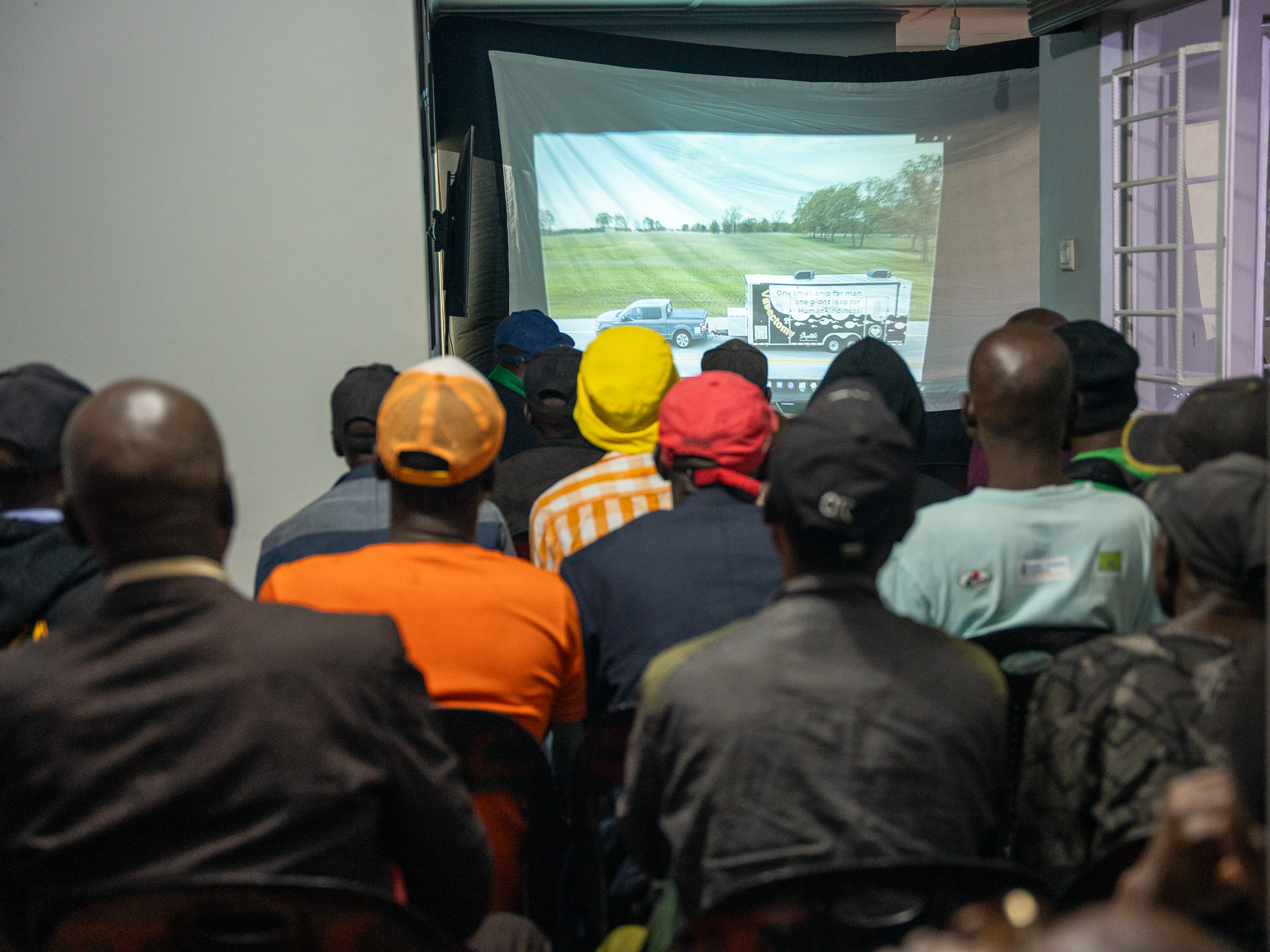
Throughout 2025, WVD Uganda supported roving doctors to expand vasectomy outreach in underserved districts, providing technical and logistical support to ensure equitable access to services. The team mentored two service providers at Kiyumba Health Centre IV and Kalisizo Hospital, strengthening local capacity to offer high-quality vasectomy services. Through 336 community barazas, the campaign reached 4,749 men with comprehensive family planning education and facilitated a total of 1,234 vasectomy procedures. The campaign also deepened collaboration with local governments in Rakai, Masaka, Iganga, Mayuge, and Mbarara, resulting in renewed commitments to support male engagement initiatives. Eighty champions were also trained to work in the community and build the Responsible Men’s Club (RMC). Efforts were made to renew existing Memoranda of Understanding (MoUs) with implementing partners such as CMC Mbarara, and to pursue a new partnership with Mbarara City to expand outreach activities within urban settings.
In Zambia, WVD Africa implemented the Tapeza Project in partnership with Marie Stopes Zambia (MSZ). The project aims to achieve 3,500 voluntary vasectomies over a three-year period (2024–2026) by strengthening public sector capacity, building local ownership, and normalizing male involvement in family planning and reproductive health.
In 2025, WVD facilitated 865 at the WVD clinic and three Marie Stopes Zambia supported PSS sites. Six doctors were also trained in the Non-Scalpel Vasectomy (NSV) technique, three from public facilities (Chipata, Kanyama, and Liteta) and three from MSZ. The project also trained 58 community champions and 12 community-based mobilizers (CBMs) in ethical mobilization, male engagement, and community advocacy making 72 champions who worked in the communities in Central Lusaka. To foster community dialogue and gender inclusion, WVD Africa conducted two Men’s Insakas and one Women’s Insaka, creating safe spaces for discussion and myth-busting around vasectomy. In addition, health talks were delivered at Liteta General Hospital and Dangote Cement Company, targeting both healthcare workers and industrial employees with accurate information on family planning. A multi-stakeholder meeting bringing together more than 40 representatives from government, civil society, and the media was convened to promote national ownership and align the project with the Ministry of Health’s Family Planning Strategy.