International Women’s Day is a celebration of women’s strength, leadership, and resilience. It is also a moment to reflect on what true empowerment means.
For more than two decades, I have worked at the intersection of conservation and community development across Colombia’s most fragile ecosystems. One lesson has become clear: empowering women is one of the most powerful strategies for protecting nature. But empowerment cannot happen in isolation — it requires shared responsibility.
For many of the rural and Indigenous women we work with through Women for Conservation, empowerment begins with something fundamental: the ability to make informed decisions about their own bodies, their families, and their futures.
Across biodiversity hotspots in Colombia and throughout the Global South, women are frontline stewards of forests, water, seeds, and traditional ecological knowledge. They lead reforestation efforts, manage sustainable enterprises, and protect endangered species. Yet they often carry disproportionate burdens — limited access to healthcare, economic dependence, and restricted reproductive choices.
At Women for Conservation, our integrated model combines species conservation, environmental education, sustainable livelihoods, and voluntary family planning. Over the past twenty years of conservation work, we have seen that environmental progress and women’s agency advance together. When women can choose if and when to have children, they are more likely to obtain education, participate in leadership, and invest in long-term environmental solutions.
But this cannot remain a women-only conversation. This is where the spirit of World Vasectomy Day intersects powerfully with International Women’s Day.
For decades, family planning has been framed primarily as a woman’s responsibility. Women carry the physical risks of pregnancy, the side effects of contraceptives, and the social consequences of reproductive decisions. True equality requires transforming that narrative.
Vasectomy — one of the safest and most effective long-term contraceptive methods — represents more than a medical procedure. It symbolizes partnership. It is a visible act of shared commitment to family well-being and gender equity.
When men step forward and take responsibility for contraception, they lighten the physical and emotional burden placed on women. They demonstrate that reproductive health is a shared decision. They model respect and collaboration within families and communities.
In the rural communities where we work, conversations about reproductive health are rooted in dignity, culture, and voluntary choice. When men are included in education and dialogue, something shifts: couples communicate more openly, women feel supported, and long-term planning becomes possible.
This shared responsibility has ripple effects far beyond households.
When families are able to plan responsibly, pressure on fragile ecosystems are taken into consideration. Women gain time and opportunity to engage in conservation leadership. Communities invest in sustainable enterprises instead of short-term resource extraction.
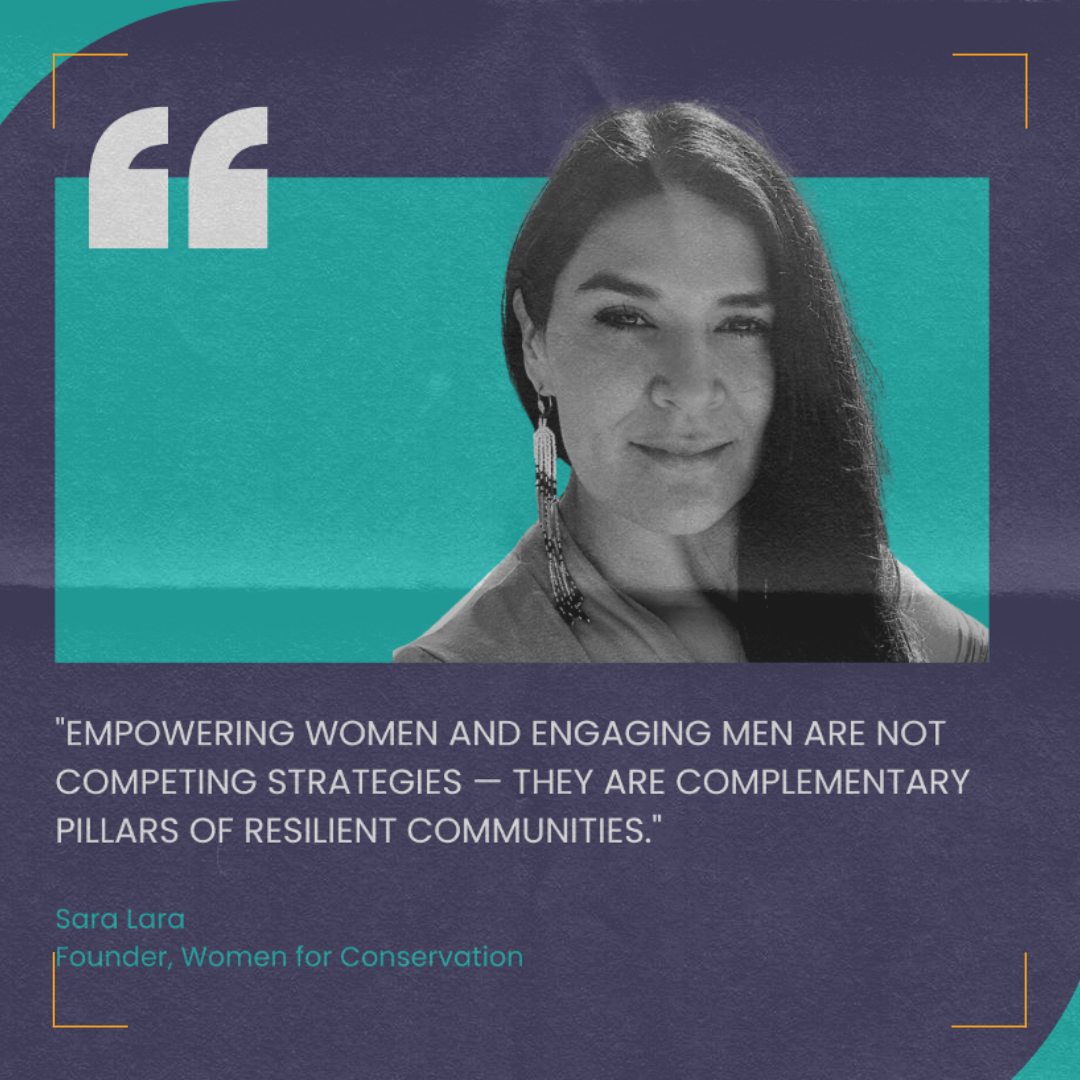
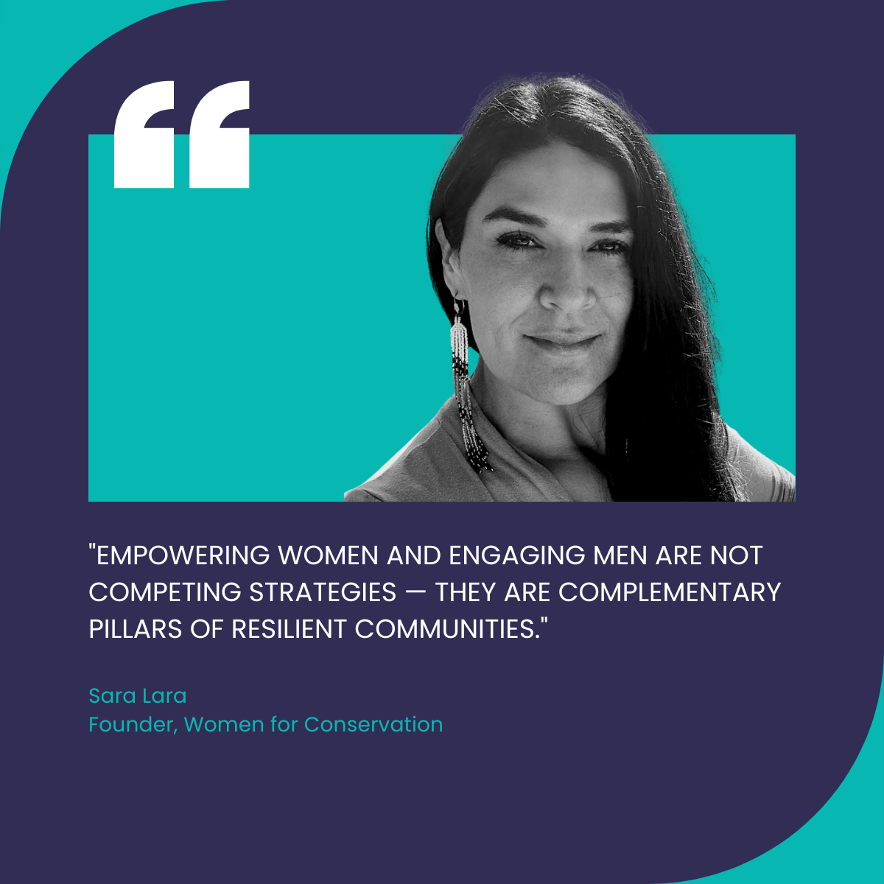
Empowering women and engaging men are not competing strategies — they are complementary pillars of resilient communities.
International Women’s Day reminds us to elevate women’s voices. World Vasectomy Day reminds us that equality requires participation from men. Together, they call for a more balanced and courageous approach to reproductive health and sustainable development.
After two decades working alongside communities at the frontline of biodiversity, I am convinced that conservation is not only about protecting species; it is about strengthening families, honoring choice, and building equitable systems.
At Women for Conservation, we believe that protecting a critically endangered species in the mountains of Colombia and ensuring that a rural woman has access to voluntary family planning are deeply connected acts of care. Both safeguard the future. Both require courage. Both require partnership.
On this International Women’s Day, let us celebrate women’s leadership. Let us invest in women-led conservation. And let us also invite men into the conversation — not as observers, but as active partners.