By Stephanie Feldstein
The climate crisis affects every aspect of our lives, and family planning is no exception.
In a recent survey of 16-25-year-olds in the United States, more than 52% of respondents said that climate change is making them hesitant to have children. This is even higher than previous surveys that found climate anxiety is affecting family planning for about one-third of respondents — still an alarming number.
But climate change itself can make it harder for people to choose if and when they want children.
Extreme heat from rising global temperatures has been linked to health risks for pregnant people and babies, including preterm labor, stillborn birth, low birth weight, infant mortality and developmental delays. Smoke from climate-fueled wildfires can increase complications that affect fetal development.
And when disaster strikes, it can be harder for people to access contraception in the wake of storms. After Hurricane Katrina, 40% of people enrolled in a study said they weren’t using birth control, with some reporting unintended pregnancies because they couldn’t access care. Women are also more likely than men to lose their jobs after climate-related crises and, because of wage gaps and caregiving, often have fewer resources to escape and recover from storms.
My team at the Center for Biological Diversity has found that governments are failing to prepare themselves and their communities for these devastating but predictable threats to reproductive health.
An analysis of climate plans from cities across the country found that none of them mentioned family planning, contraception, or reproductive health. Only one plan included a gender-related climate solution, but it was focused on expanding biking classes, not healthcare.
We also looked at emergency preparedness checklists across all 50 states. Only two states — Maryland and Rhode Island — included items specifically related to sexual and reproductive health.
As with family planning in general, the burden for preventing unintended pregnancy during climate-related emergencies overwhelmingly falls to women. Men who know that they don’t want more children can help shoulder that responsibility.
Vasectomies help address barriers to contraception and provide a low-maintenance option for couples under normal circumstances. During disasters, that can become even more important. This form of family planning doesn’t rely on reaching pharmacies or health clinics when they might be shut down by power outages and flooded roads. It can give couples one less thing to worry about when storms hit.
The Center created Sexual Health Emergency Preparedness kits to help people plan ahead for their reproductive health needs. Sharing that responsibility between partners adds another layer of assurance, especially when climate-related disasters are increasing in both frequency and intensity.
Vasectomies also play a role in voluntary family planning as a climate solution that can reduce unintended pregnancies and improve health outcomes for mothers and children. Along with education, it can increase economic opportunities for women, too.
Family planning is a basic human right that builds more resilient communities as we face the immediate threats of climate change. And, in the long-term, it can help reduce fertility rates and the demands of a growing population on the planet.
When men exercise their reproductive freedom, it can help ease climate-related gender disparities. This is especially important at a time when women’s reproductive rights are under attack.
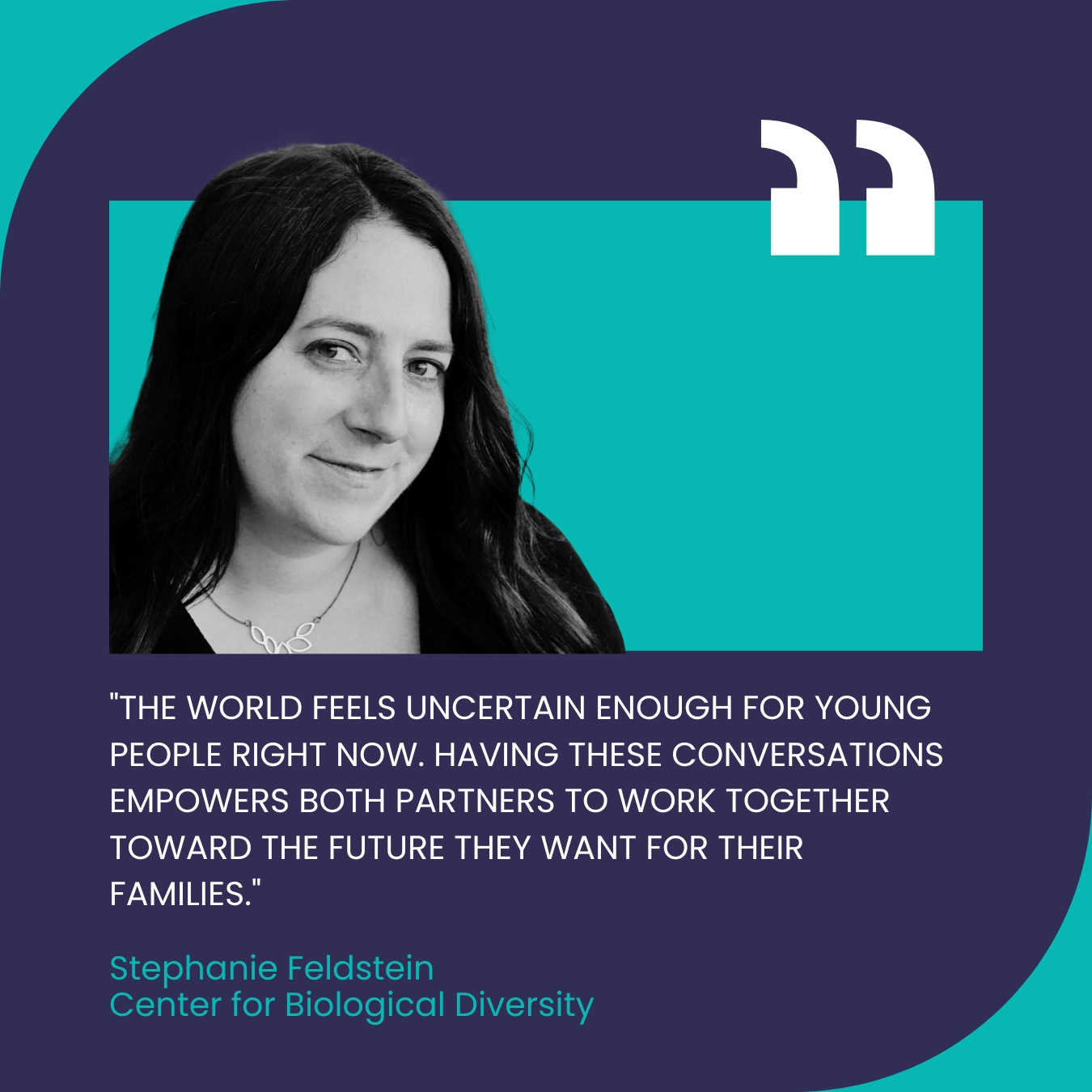
The world feels uncertain enough for young people right now. Having these conversations empowers both partners to work together toward the future they want for their families.
Stephanie Feldstein is the population and sustainability director at the Center for Biological Diversity.