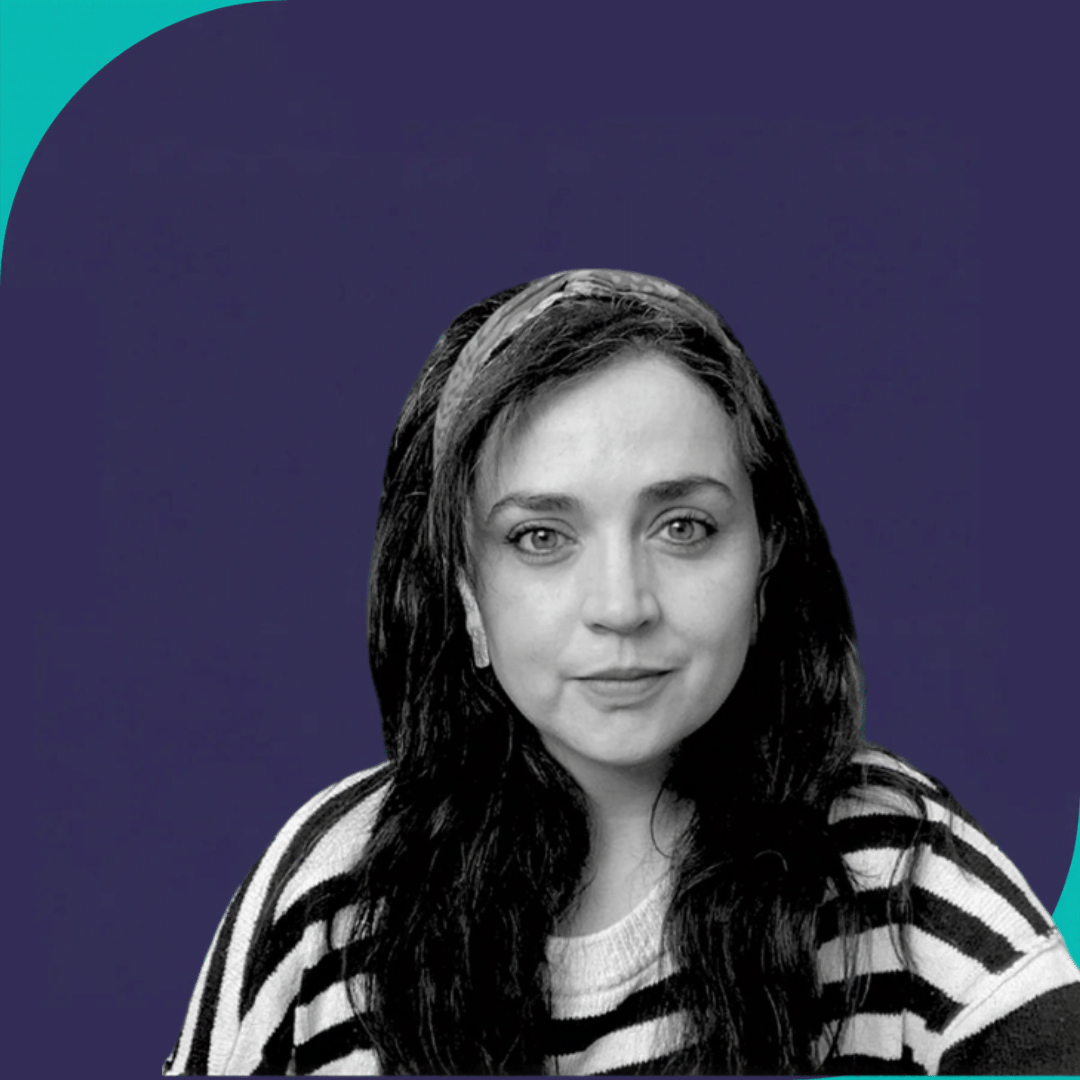
Maria Fernanda Cepeda
Tell us about yourself.
I’m a Colombian anthropologist with a master’s from NYU. In my twenties, I worked with Antanas Mockus, the former mayor who used art and creativity to tackle Bogotá’s chaos. He taught me there are other ways to invite people to change. Since then, I’ve used storytelling, art, and communication to address gender issues. This work is also personal. As a Latin American woman, I’ve experienced machismo myself. I’m also close to men who want to do things differently but have few references for what a caring man or a loving father looks like. That is exactly what WVD has been building, and why I’m so happy to be here.
What drew you to World Vasectomy Day?
WVD achieves what we all dream of in behavioral change: inspiring men to make decisions that aren’t easy. Through storytelling, it engages men in difficult conversations and accompanies them, so they don’t just choose a vasectomy. They open up their emotions and dream of something different from what they were taught.
What role will data play?
WVD has rich qualitative experience. Now we need a learning infrastructure. We know we can inspire men to have a vasectomy. What we don’t know is what happens afterward: Do they make other changes? Do they talk to other men? First, we’ll organize and centralize the data we already have. Then we’ll build a rigorous evaluation system, so every community we reach becomes a chance to learn.
Why do South-to-South ties matter?
Working from Colombia alongside our teams in Uganda and Zambia has been a game changer. We face very similar challenges, yet historically our connections have been mediated by the Global North. Now we work horizontally, sharing challenges, creativity and lessons. I dream of one day hosting our African colleagues in Latin America for exchanges. That kind of mutual learning is what excites me most about what comes next.
How do you see this year’s 24-hour event?
2026 has been a year of transition for WVD, a time to pause, listen and reflect on where we want to go. I love transitions, because they make you ask what to carry forward, what to improve and what the mountain ahead looks like. That’s why I see this event as a bridge between everything WVD has achieved and a bigger movement for positive masculinity. As a movement, we have a responsibility to offer men real alternatives to the manosphere, and we invite the world to join us on this journey.